
Running condition
A machine that starts, tracks and swings well is worth far more than a dead one. A dead machine still has value in its engine, pumps, final drives and steel.
Home / What is my excavator worth?
Value guide
Two machines with the same model number can be worth very different amounts. Here's what moves it.

Free offer · No obligation
About a minute. We call back with a number.
The big six
Operating weight sets the starting point.
6,000 hours reads differently at 3 years vs 10.
Often the most expensive wear item.
Easy start, strong pump, no weeping.
Cracks or welds put buyers off fast.
Thumb, coupler, buckets, breaker.
Check it yourself
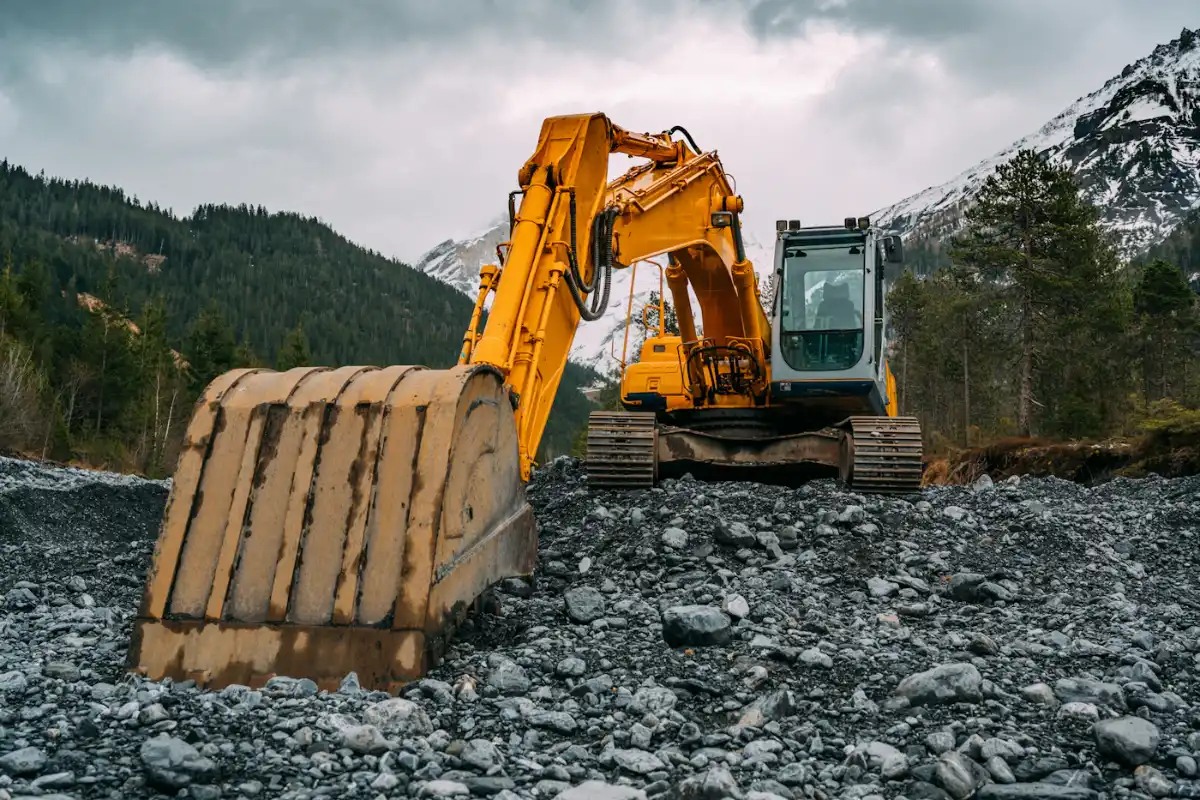
Have an excavator to sell? Get a number in minutes.
Easy to forget
Older tiers are harder to resell in Metro Vancouver.
Money owing gets paid out first.
Hard-to-reach machines cost more to move.
Service logs and invoices add confidence.
Three ways to sell
Private: most money, most time. Dealer or auction: simpler, takes a cut. Us: fast, no fees, any condition. How it works.
What helps
Value in depth
Two excavators of the same model can be worth very different amounts.
A machine that starts, tracks and swings well is worth far more than a dead one. A dead machine still has value in its engine, pumps, final drives and steel.
Worn undercarriage is one of the biggest deductions. Tracks, rollers, idlers and sprockets are expensive, so their wear changes the figure a lot.
Lower hours help, but service history matters as much. A well-serviced high-hour machine can beat a neglected low-hour one.
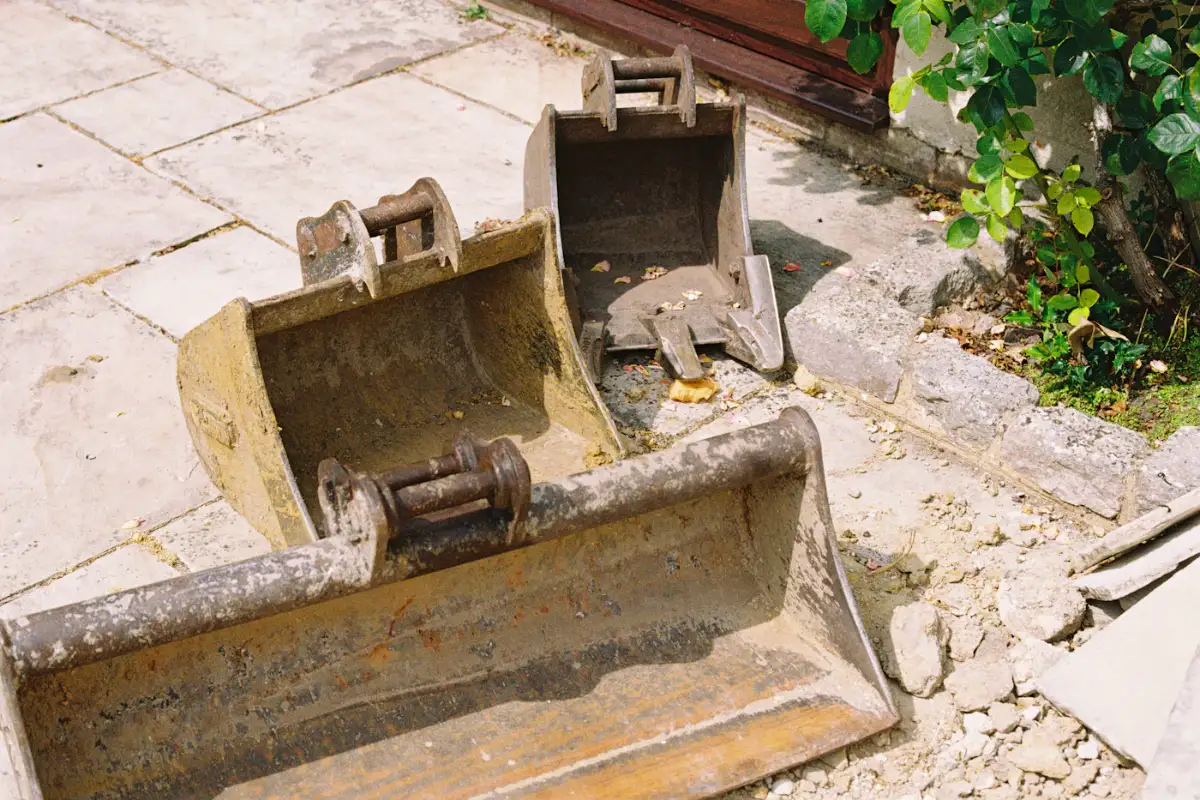
Buckets, thumbs and couplers add value. Extra buckets, a thumb or a coupler can each add a fair amount.
In Metro Vancouver, older unregistered engines are worth less locally because of Bylaw 1329. Machines outside the region, or registered and compliant, aren't affected the same way.
For scrap machines, steel prices set the floor, and they move. That's one reason we don't publish prices; the figure reflects the market on the day we quote.
A machine in a paved yard is quicker to load than one in a wet field or on a slope. We explain any difference. A machine that has to be winched out of a field takes more time, and that's built into the figure.
Clear ownership makes a machine easier to sell. A lien or a lease slows things down but doesn't stop a sale. Tell us about any loan or lease when you call so nothing surprises anyone later.
Photos and a short video usually get us there. If something was missed, we explain before loading, and you can still say no. That way the figure you agreed to is the figure you're paid, unless you choose otherwise.
Questions
A rough idea, yes, if you know the make, model, hours and condition. A firm offer usually needs a few photos.
Because two machines with the same model number can be worth wildly different amounts. A posted range would be wrong for most people who read it.
A documented recent repair, like a new undercarriage or a rebuilt pump, can help. Invoices make it count.
As long as anything on it works or can be rebuilt, it's usually worth more as a machine. Scrap is the floor, not the starting point.
Yes. It's one of the biggest deductions on any excavator, because tracks and rollers are costly.
No. The pickup is built into the offer.
Usually, because there's less machine and less steel. A clean, running mini with good tracks and a thumb can still bring a strong figure.
Send the make, model, hours and a few photos. We'll tell you what it's worth to us.